
Am I a Candidate for Dental Implants?
Assess your suitability for dental implant treatment through clinical evaluation

"My First Impression I Would Get From People Was A Problem."
Are You a Candidate for Dental Implants?
If you have missing or failing teeth, dental implants may be considered as a treatment option to restore function, stability, and oral health. Suitability is determined through clinical assessment, taking into account a range of individual factors.
Many adults may be suitable for dental implant treatment, although factors such as bone support, gum health, medical history, and overall oral condition must be carefully evaluated.
At Aria Dental, patients exploring dental implants in Perth are assessed by an experienced clinical team with extensive expertise in managing both straightforward and complex implant cases. Assessment and planning are approached with precision to ensure each treatment pathway is appropriate, predictable, and clinically sound.

Dental Implants as a Fixed Tooth Replacement Option
Dental implants replace missing teeth from the root level, which is why adequate jawbone support is required. Where bone volume is insufficient, preparatory procedures such as bone grafting may be considered as part of treatment planning.
Once the implant is surgically placed, it is allowed to integrate with the surrounding bone. An abutment is then used to connect the implant to the final restoration. The replacement tooth is custom designed to restore function and stability, with aesthetics considered as part of the overall treatment plan.
The Advantages of Dental Implants
- Designed to closely replicate the look, feel, and function of natural teeth
- Provide stable support for fixed replacement teeth
- Help stimulate the jawbone, supporting bone volume and facial structure
- Restore functional bite strength for everyday eating
- Reduce the risk of adjacent teeth shifting and affecting alignment
- Do not require specialised cleaning beyond standard oral hygiene practices
- Can offer long-term durability when maintained with appropriate care

We Provide Elite Services and Proven Results
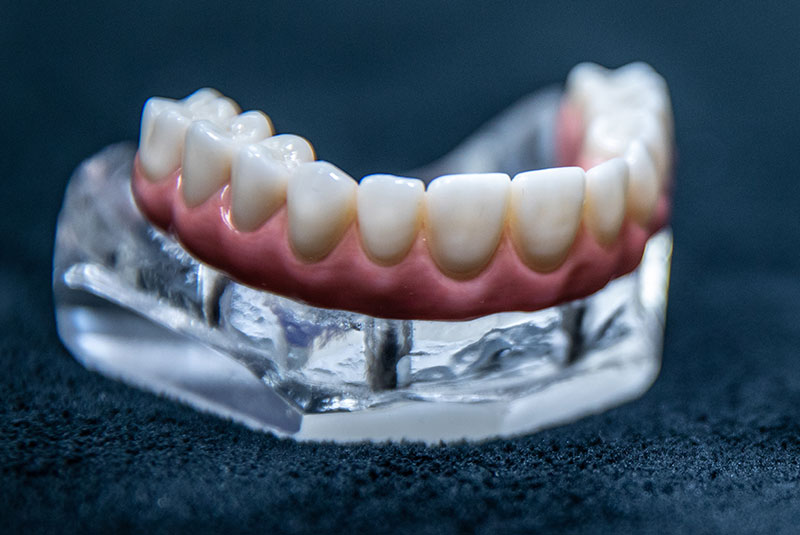
All-On-4
A full-arch solution that replaces all your teeth with a stable, natural-looking set of implants. Regain your smile and confidence in just one procedure.

Single Implants
Replace a missing tooth with a single dental implant that looks, feels, and functions like a natural tooth. Long-lasting and discreet.

Snap-On Implants
A removable implant-supported solution designed to improve stability and comfort. Attaches to dental implants for a secure fit and is removable for cleaning.

Gum Set Ceramic Bridges
Restore missing teeth with ceramic bridges designed to blend seamlessly with your natural smile, while supporting healthy gums and bite function.
Factors That Influence Dental Implant Suitability
Advances in implant techniques and materials have contributed to high success rates in dental implant treatment. However, individual clinical factors can influence suitability and treatment complexity, and some cases require additional planning or preparatory procedures.
Adequate jawbone volume and density are required to support dental implant placement. Diagnostic imaging is used to assess bone quality and determine whether additional procedures are necessary as part of treatment planning. Where bone support is insufficient, bone grafting may be considered to improve suitability for implant treatment.
Certain medical conditions can also influence bone healing and implant integration. For example, osteoporosis and the long-term use of medications such as bisphosphonates may affect how the implant integrates with the jawbone. These factors are carefully reviewed during assessment to determine the most appropriate and predictable treatment approach.
Healthy gum tissue is essential for successful dental implant treatment. Gums play an important role in healing by supporting blood supply and protecting the underlying bone during and after implant placement.
Untreated gum disease can increase the risk of peri-implantitis, an inflammatory condition that affects the tissues surrounding a dental implant and may compromise long-term stability. For this reason, existing gum disease or infection is addressed before implant treatment is undertaken.
Maintaining good oral hygiene is also an important part of long-term implant care. Regular brushing, flossing, and appropriate rinsing help support gum health and reduce the risk of complications affecting implant stability.
Overall health plays an important role in healing and implant integration. Certain medical conditions, particularly when not well controlled, may affect recovery following implant surgery. Conditions such as diabetes, thyroid disorders, and autoimmune disease are assessed carefully during consultation to determine whether additional planning or precautions are required.
Lifestyle factors can also influence healing outcomes. Smoking is associated with reduced blood flow and delayed tissue repair, which may affect how an implant integrates with the jawbone. For this reason, smoking status is discussed during assessment, and risk-reduction measures are considered as part of treatment planning.
Age alone does not prevent dental implant treatment, and implant surgery can be successful in older adults. However, age can influence healing and overall treatment planning, as it is often associated with factors such as reduced bone density, underlying medical conditions, and longer recovery periods.

Who is a Good Candidate for Dental Implants?
Dental implant suitability is determined through clinical assessment at a specialist implant centre in Perth. You may be considered suitable for implant treatment if you:
- Have healthy gums and adequate jawbone support
- Have one or more missing teeth due to injury, decay, or periodontal disease
- Are in good general health, or have medical conditions that are well managed
- Are able to maintain appropriate oral hygiene and attend ongoing dental reviews
When Dental Implant Treatment May Not Be Appropriate
Dental implants may not be suitable for every patient. Certain clinical or medical factors may limit suitability or require alternative treatment approaches. These may include:
- Medical conditions that significantly impair healing, such as poorly controlled diabetes or certain autoimmune disorders
- Medical contraindications to sedation or anaesthesia
- Insufficient jawbone support where bone grafting is not possible or advisable
- Documented sensitivities or allergies to implant materials, such as titanium or zirconia
- Use of medications that affect blood clotting, where surgical risk may be increased
Each of these factors is assessed carefully during consultation to determine whether implant treatment can be undertaken safely or whether other options should be considered.


Improve Your Dental Implant Candidacy Through Preliminary Procedures
In some cases, preliminary treatment is required to improve suitability for dental implant placement. These procedures are planned based on individual clinical findings and are intended to support predictable implant treatment.
Preliminary procedures may include the removal of teeth that cannot be restored, as well as bone augmentation where additional support is required. For implants in the upper posterior jaw, sinus augmentation may be considered to increase bone volume and support implant stability.
What are the Risks of Dental Implant Surgery?

Determining Your Candidacy for Dental Implants
During your initial consultation, a comprehensive oral examination and diagnostic imaging are performed to assess suitability for dental implant treatment options. Relevant dental and medical history is reviewed to identify any systemic conditions or lifestyle factors that may influence healing, risk, or treatment planning.
This consultation also provides an opportunity to discuss the proposed treatment approach, associated procedures, and expected care pathway. Questions are addressed in detail, and practical considerations, including timing and costs, are explained to support informed decision-making.


Find Out If You're A
Candidate for Dental Implants
Answer the Following Questions To Learn more about our pricing and financing options.
