
All-on-4 dental implants are designed to provide a stable, fixed alternative to removable dentures. Because the bridge is supported by implants, it remains securely in place, allowing you to eat, speak, and smile with greater confidence.
Many patients choose All-on-4 to regain a sense of normality in their everyday life, without the movement or inconvenience often associated with dentures.
Your replacement teeth are carefully designed to suit your face, smile, and bite. At Aria Dental, we combine advanced digital planning with detailed craftsmanship to create a result that looks natural and feels comfortable.
Each bridge is tailored to complement your facial features and integrate seamlessly into your lifestyle.
All-on-4 uses medical-grade titanium implants that integrate with the jawbone to support your new teeth. This approach has been widely used in implant dentistry to provide a reliable foundation for full-arch restoration.
Your treatment is performed by experienced implant clinicians, with careful planning at every stage to support a predictable outcome.
All-on-4 treatment uses four dental implants to support a full arch of replacement teeth. It is typically used when a complete upper or lower set of teeth needs to be replaced due to tooth loss, damage, or ongoing issues with dentures. However, treatment is tailored to each patient, and in some cases additional implants may be recommended to provide greater support.
Rather than replacing each tooth individually, this approach relies on carefully positioned implants to support a full bridge. Treatment is planned to ensure the final teeth fit comfortably with your bite and overall oral health.
For suitable patients, this approach can reduce the need for removable appliances throughout treatment.
Both All-on-4 and implant-supported dentures use implants to improve retention compared with traditional dentures. The main difference is how the teeth are worn and maintained.
All-on-4 is provided as a fixed bridge, while implant-supported dentures can be removed for cleaning. The most suitable option depends on your preferences, oral health, and how you want your teeth to function day to day.

All-on-4 may be suitable for people who need to replace a full upper or lower set of teeth, particularly where there are multiple missing or failing teeth or ongoing issues with dentures.
Suitability is determined during a clinical assessment, where factors such as oral health, bone support, medical history, and lifestyle are considered before recommending treatment.
The cost of All-on-4 treatment varies depending on the complexity of your case and the type of restoration selected.
Treatment involves several stages, including assessment, planning, surgery, and placement of your final teeth. Additional factors such as extractions, sedation, and material choice can also influence the overall cost.
At Aria Dental Perth, all costs are discussed after a thorough clinical assessment so you understand your options before proceeding. For suitable patients, payment plans or early release of superannuation may also be explored.


When most people think about full-arch dental implants, they picture a single treatment option.
In reality, there are several different ways to replace a full arch of missing or failing teeth.
Some implant bridges replace both teeth and gum tissue, while others are designed to more closely resemble natural teeth. The most appropriate option depends on factors such as your oral health, anatomy, smile, and treatment goals.
For patients who place a high value on aesthetics, more advanced restorative options may be available that are designed to create a result that looks and feels closer to natural teeth.
During your consultation, we’ll explain the options available and help you choose the approach that best suits your needs.
At Aria Dental, a range of full-arch implant solutions are available depending on your clinical needs, preferences, and treatment goals. While All-on-4 is one approach, different prosthetic designs may be recommended to suit your situation.
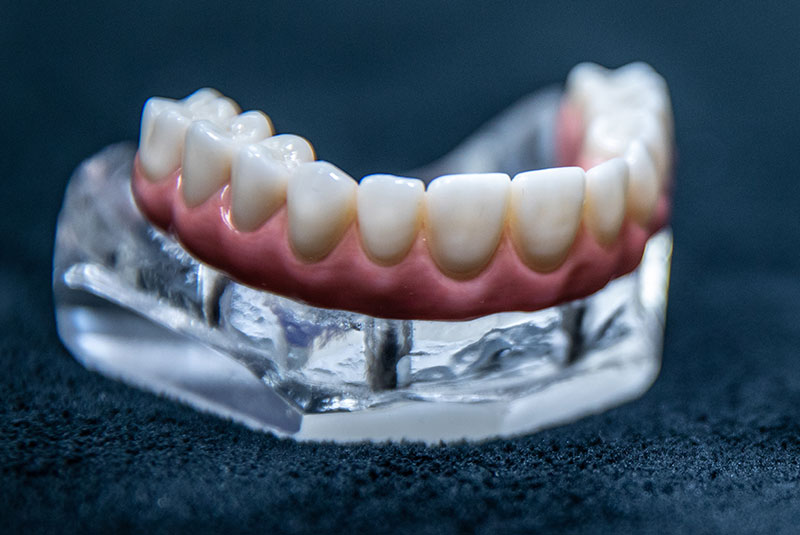
A removable implant-supported overdenture that attaches to implants to improve stability compared to traditional dentures.


Choosing between fixed and removable implant solutions depends on your clinical needs, lifestyle, and preferences. During your consultation, your clinician will explain the differences and recommend the most suitable option based on your individual circumstances.
The cost of All-on-4 dental implant treatment varies depending on individual clinical needs. Factors that influence cost may include whether preliminary procedures such as tooth removal or bone management are required, as well as whether treatment is being provided for a single arch or both upper and lower arches.
As a general guide, All-on-4 treatment may start from approximately $17,500 per arch. Final costs are determined following a comprehensive clinical assessment and treatment planning process.
A consultation allows the proposed approach, associated procedures, and expected costs to be discussed clearly before treatment proceeds.
Please book a complimentary consultation with our All-on-4 experts for an accurate quote.
Clinical studies have reported high long-term success rates for implant-supported full-arch treatment when appropriately planned and maintained. Outcomes depend on a range of factors, including bone quality, general health, oral hygiene, and ongoing professional care.
As with all surgical or invasive procedures, dental implant treatment carries risks, which are discussed in detail during consultation. Treatment suitability and expected outcomes are assessed on an individual basis by an appropriately qualified dental practitioner.
All-on-4 implant treatment is typically performed with sedation support to assist patient comfort. Sedation options may include oral sedation, IV sedation, or general anaesthesia, depending on individual needs, medical history, and treatment requirements.
Sedation is planned carefully as part of the consultation process to support comfort and safety throughout the procedure.
Some swelling or minor bleeding may occur following implant surgery, particularly in the first few days after treatment. This is a normal part of the healing process and is usually manageable with prescribed post-operative care and medication.
Swelling typically peaks within the first 48 hours and gradually subsides. Detailed post-operative instructions are provided, and patients are encouraged to contact the clinic if they have any concerns during recovery.
Dietary guidelines are discussed as part of aftercare, with a gradual progression from liquids to soft foods as healing allows.
Recovery following All-on-4 treatment varies between individuals and depends on factors such as overall health, the extent of treatment, and healing response.
Initial recovery typically occurs over the first few weeks, while implant integration continues over several months. Treatment is completed in stages, with each phase allowing appropriate healing before progressing to the next step.
Dental implant procedures are performed under anaesthesia or sedation, which helps minimise discomfort during treatment. Post-operative discomfort varies between individuals and is usually manageable with prescribed pain relief and aftercare measures.
If pain or swelling appears excessive or does not improve as expected, patients are advised to contact the clinic for review.
Dental implants are designed as a long-term tooth replacement option when appropriately planned and maintained. Longevity depends on factors such as oral hygiene, general health, lifestyle habits, and regular professional review.
While long-term studies demonstrate durable outcomes, there are no guarantees, and ongoing care is essential to support implant performance over time.
Full-arch implant restorations may be fabricated using different materials, most commonly acrylic or zirconia. The choice of material influences the restoration’s aesthetics, durability, and long-term performance.
Acrylic restorations are often used during provisional or transitional phases of treatment. Zirconia restorations are typically used for definitive full-arch bridges due to their strength, wear resistance, and stability.
Material selection is discussed during treatment planning to ensure the final restoration aligns with functional requirements and long-term treatment goals.
The All-on-4 technique uses strategically angled posterior implants to engage areas of available bone. This approach may reduce the need for bone grafting in some patients compared with conventional implant placement.
Where significant bone loss is present, particularly in the upper jaw, alternative implant approaches such as zygomatic dental implants may be considered. Suitability is determined through detailed clinical assessment and diagnostic imaging, and all treatment options are discussed during consultation.


