Broken crowns. Loose dentures. Failing implants. Bite problems.
At Aria Dental, complex cases are overseen by specialist prosthodontist Dr Michael Zaninovich, with treatment designed for long-term function, stability and aesthetics.
Patients often seek prosthodontic care when dental problems become complex or when previous dental work is failing.
A consultation allows these concerns to be assessed carefully before treatment decisions are made.

A specialist consultation helps identify the causes of complex dental problems and guide treatment planning for long-term stability.

While many dentists provide restorative treatment, prosthodontists complete additional years of specialist training focused on complex reconstruction of the teeth, bite and dental implants.
This specialised training allows prosthodontists to manage cases involving:
At Aria Dental, Dr Michael Zaninovich works closely with surgeons, technicians and clinicians to design treatment plans focused on long-term function and stability.
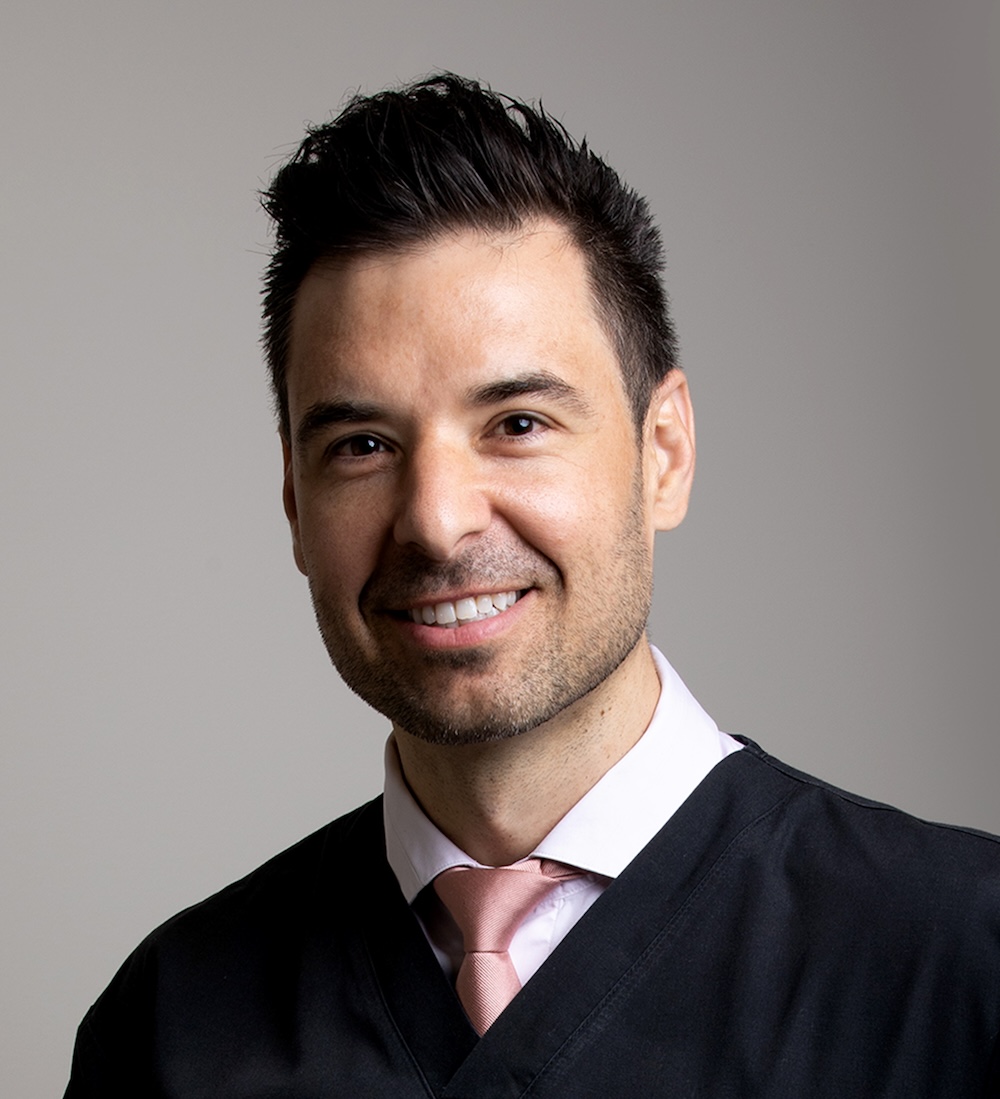
Specialist Prosthodontist
Aria Dental, Perth
Patients who undergo prosthodontic treatment often report improvements in:
Enjoy a full, unrestricted diet with a stable, non-removable bridge designed for strength and durability.
Implant-supported bridges help maintain facial structure and reduce the collapsed appearance often seen with long-term tooth loss.
Smile, laugh, and engage without hesitation, knowing your teeth are secure and designed to look natural.
Treatment planning focuses on long-term function, aesthetics and durability.

See how implant treatment has helped patients restore both function and confidence.


Patient stories can help illustrate what may be possible with modern implant dentistry.
If you are experiencing ongoing dental problems, broken dental work, or difficulty with dentures or implants, a specialist consultation can help determine the most appropriate treatment.
Schedule your consultation with a Perth specialist prosthodontist today.

The questions below address common topics patients often ask when considering a prosthodontist consultation and complex restorative treatment.
A prosthodontist is a dental specialist trained in restoring and replacing teeth. Prosthodontic care focuses on treatments such as crowns, bridges, implants, dentures, and full mouth reconstruction. The specialty also involves careful diagnosis and treatment planning to ensure restorations function properly and remain stable over time.
General dentists provide a wide range of dental treatments, while prosthodontists undertake additional years of specialist training focused specifically on complex restorative dentistry. This training allows them to manage cases involving multiple restorations, missing teeth, bite problems, and full mouth rehabilitation.
In many cases a referral is not required, and patients can book a consultation directly. Some patients are also referred by their general dentist when restorative treatment becomes more complex or requires specialist planning.
Treatment timelines vary depending on the complexity of the dental condition and the type of restoration required. Some treatments may involve several stages to ensure accurate planning and long-term stability.
Costs vary depending on the treatment required. During your consultation, your clinician will assess your condition and explain the recommended treatment options, including the associated costs, so you can make an informed decision.

Specialist prosthodontic care focuses on restoring comfort, stability, and function when dental problems affect multiple teeth, the bite, or existing restorations.
Rather than treating teeth individually, treatment planning evaluates how the entire dental system works together. By assessing bite balance, existing restorations, and overall dental structure, prosthodontic care aims to deliver results that remain stable and functional over time.
Every treatment plan is carefully tailored to the patient’s dental condition, functional needs, and long-term oral health goals.
A prosthodontic consultation helps identify the underlying causes of complex dental problems before treatment begins. During the assessment, your oral health, bite function, and existing dental work are evaluated to determine the most appropriate treatment approach.
Your consultation begins with a detailed examination of your teeth, existing restorations, and overall oral health. This helps identify current concerns and underlying issues.
Digital scans or imaging may be used to evaluate tooth structure, bone support, and existing restorations that may not be visible during a standard examination.
Your bite and jaw function are assessed to understand how your teeth work together and whether instability may be contributing to dental problems.
Once the evaluation is complete, treatment options are explained so you can understand the recommended approach and make informed decisions about your care.
